Dental implants have a remarkably high success rate — but they are not infallible. A small percentage of implants do fail, and understanding why is the first step toward prevention and, if needed, remediation. Whether you are considering implants or already have them, this guide covers the most important risk factors, warning signs, and what to do if something goes wrong.
The Most Common Cause: Peri-Implantitis
Peri-implantitis is the leading cause of implant failure [verify with specialist]. It is an infectious inflammatory condition affecting the soft tissue and bone surrounding an implant — essentially the implant equivalent of periodontitis (gum disease). If left untreated, it causes progressive bone loss that can ultimately make the implant unstable and require removal.
Peri-implantitis is largely preventable through consistent oral hygiene and regular professional maintenance. Early detection through routine check-ups is critical — the condition is much easier to treat in its early stages.
Bone Loss and Implant Stability
Some bone remodeling around an implant is expected in the first year [verify with specialist]. However, excessive or progressive bone loss compromises the implant’s foundation. Risk factors for pathological bone loss include poor osseointegration, mechanical overload (from a misaligned bite or bruxism), peri-implantitis, and systemic conditions affecting bone metabolism [verify with specialist].
The Role of Smoking
Tobacco use is one of the most significant modifiable risk factors for implant failure. Smoking impairs vascularization and immune function in oral tissues, slows healing after surgery, and dramatically increases susceptibility to peri-implantitis. Studies suggest smokers have implant failure rates two to three times higher than non-smokers [verify with specialist].
Poor Initial Placement
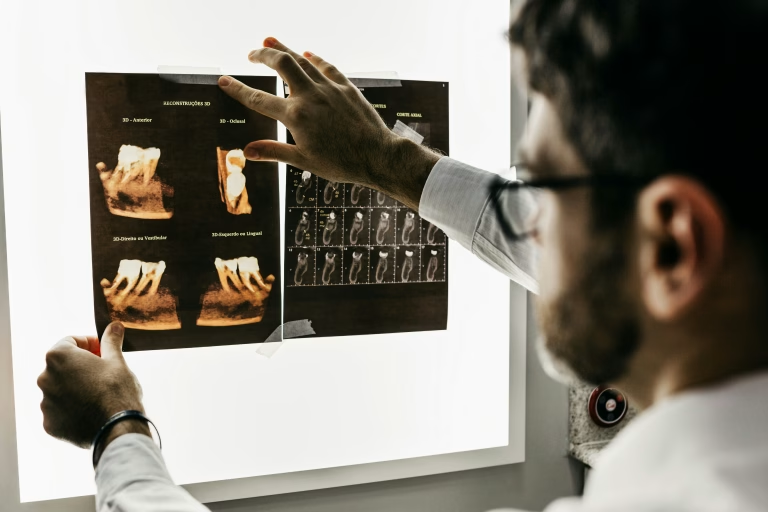
Implant failure can sometimes be traced back to poor surgical technique — incorrect angulation, placement in insufficient bone, damage to adjacent nerves or structures, or failure to achieve adequate primary stability at the time of surgery. This underscores the importance of choosing an experienced, specialist-level implant clinician supported by 3D CT planning.
Warning Signs of a Failing Implant
Contact your implant specialist immediately if you notice: persistent pain or discomfort around an implant beyond the normal healing period; mobility or looseness of the implant or prosthetic; swelling, redness, or discharge from the gum tissue around the implant; a bad taste or odour that does not resolve; or visible bone or implant exposure.
What Happens When an Implant Fails?
Early-stage issues like peri-implantitis may be treated non-surgically with professional debridement and antimicrobial therapy. More advanced cases may require surgical intervention. In some cases where the implant itself has failed, it is removed, the site is allowed to heal (and bone grafted if necessary), and a new implant is placed once conditions are favorable [verify with specialist].
Failed Implant from Another Clinic? We Can Help.
Implant salvage and replacement is one of our specialties at Florida Dental Implant Specialists. If you have a failing implant — whether placed here or elsewhere — our team will conduct a thorough 3D diagnostic evaluation and present you with clear options.
Book a free consultation and let us assess your situation with no obligation.